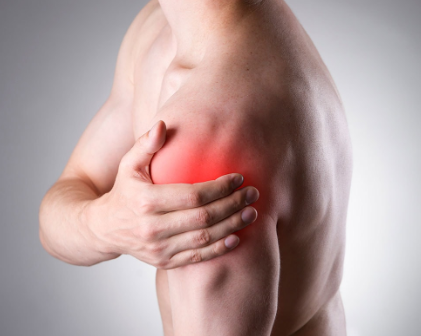
Frozen shoulder, also called adhesive capsulitis, is a common condition that causes stiffness, pain, and discomfort in your shoulder joint. It occurs when the range of motion of your shoulder joint is reduced to the point that it feels as though your shoulder is frozen.
The symptoms of this syndrome are minor but progressively get worse. Due to the discomfort and loss of range of motion, people who have frozen shoulders tend to use their shoulders less, which further reduces mobility.
Does massage help?
If you have long-lasting pain see a doctor diagnose your condition. They’ll ask about your symptoms, previous injuries, and any activities that exacerbate the pain.
A doctor can observe your active and passive range of motion. Usually, they’ll be able to diagnose your condition based on your signs and symptoms. If necessary, they’ll do an imaging test such as an X-ray, MRI, or ultrasound to eliminate other causes.
Your GP may also refer you to a physical therapist, who can create an individual treatment plan.
It’s important to keep your shoulder mobile. If you don’t use your shoulder it can exacerbate symptoms. Massages and stretches can increase your range of motion and alleviate pain.
There as a few self-help exercises in order to keep your shoulder in good condition. However, you should always discuss it with your GP or physiotherapist.
Frozen shoulders can be well treated with the myofascial massage technique. Gentle long stroke help remodel both muscles and fascia.
Please watch the videos below to learn more about treatment modalities.
Myofascial release technique
Frozen shoulder is a common condition that can become serious if it’s not treated correctly. You can treat this condition with specific massages and stretches. It’s best to do these with the instruction of a doctor or physical therapist.
Stay active during your recovery and be patient since it can take several months to fully heal a frozen shoulder.
At Massage By Peter, we treat frozen shoulders with acupuncture as well.
 Lothian Massage & Acupuncture